
Landscape Design Trends That Will Transform Your Outdoor Space in 2026
As we move into 2026, landscape design is experiencing innovative changes that promise to enhance outdoor spaces like never before. From sustainable practices to integrated technology, these trends are set to rejuvenate and transform your garden and outdoor settings. This article delves into the key landscape design trends that are poised to redefine beautification and functionality in your outdoors.According to WifiTalents, The global landscaping services market was valued at about US $105 billion in 2022, with projections to grow to roughly $153 billion in the U.S. by 2024. This rapid growth reflects a strong shift toward professional landscaping solutions that enhance property value while improving usability and efficiency. As a result, trends such as water-conscious designs, native plant selections, smart irrigation systems, and integrated outdoor living features are gaining traction. These advancements allow property owners to create outdoor environments that are not only visually striking but also practical, resilient, and tailored to long-term enjoyment.
Implementing Eco-Friendly Landscaping Practices
Using Drought-Tolerant Plants
Drought-tolerant plants are rapidly gaining popularity in landscape design, giving homeowners a greener thumb without excessive water use. These plants are specifically adapted to survive in arid conditions, making them an excellent choice for eco-conscious gardeners. They not only help conserve water but also reduce the dependence on irrigation systems, thereby lowering maintenance costs. By incorporating a variety of drought-tolerant species, gardeners can create visually appealing landscapes that thrive even during dry spells. This practical approach supports sustainability by aligning garden aesthetics with environmental responsibility.
Installing Rainwater Harvesting Systems
Rainwater harvesting is a sustainable solution that complements eco-friendly landscaping efforts. Implementing a system to collect and utilize rainwater can significantly reduce reliance on municipal water supplies. These systems capture rainwater from rooftops, storing it for use in garden irrigation or even household needs. By designing landscapes with rainwater harvesting in mind, homeowners contribute positively to water conservation efforts. This practice exemplifies how innovative landscape design can balance aesthetic beauty with environmental imperative.
Implementing Natural Pest Control
Natural pest control is an essential component of sustainable gardening practices. Introducing beneficial insects, such as ladybugs, or planting pest-repellent flora can significantly reduce the need for chemical pesticides. This method not only protects the garden but also promotes biodiversity and ecological balance. Designers are increasingly incorporating these strategies to create self-sustaining ecosystems within residential landscapes. This approach emphasizes a harmonious interaction between nature and design, fostering environments that are healthy, vibrant, and aesthetically pleasing.
Creating Multi-Functional Outdoor Spaces
Creating Outdoor Living Rooms
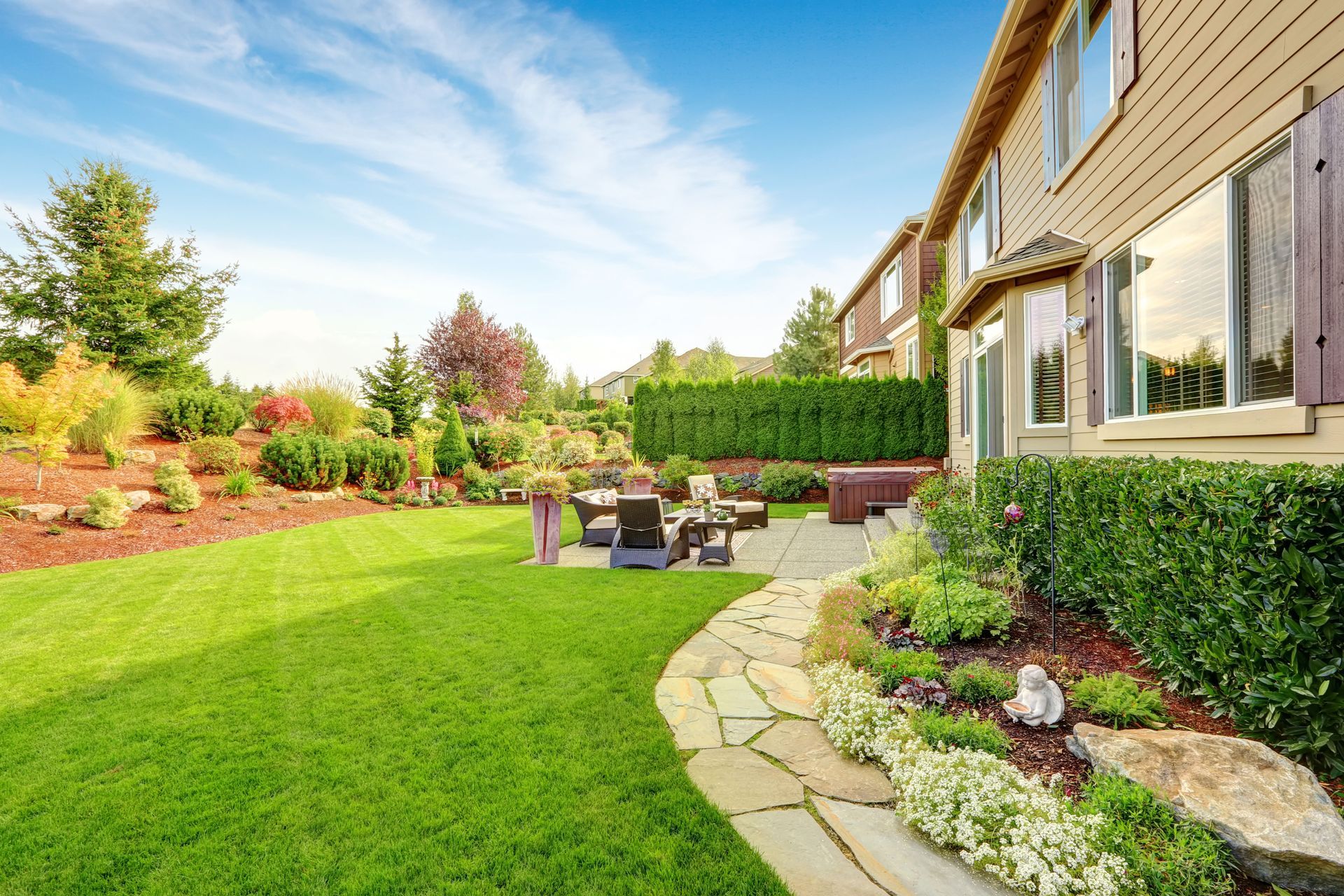
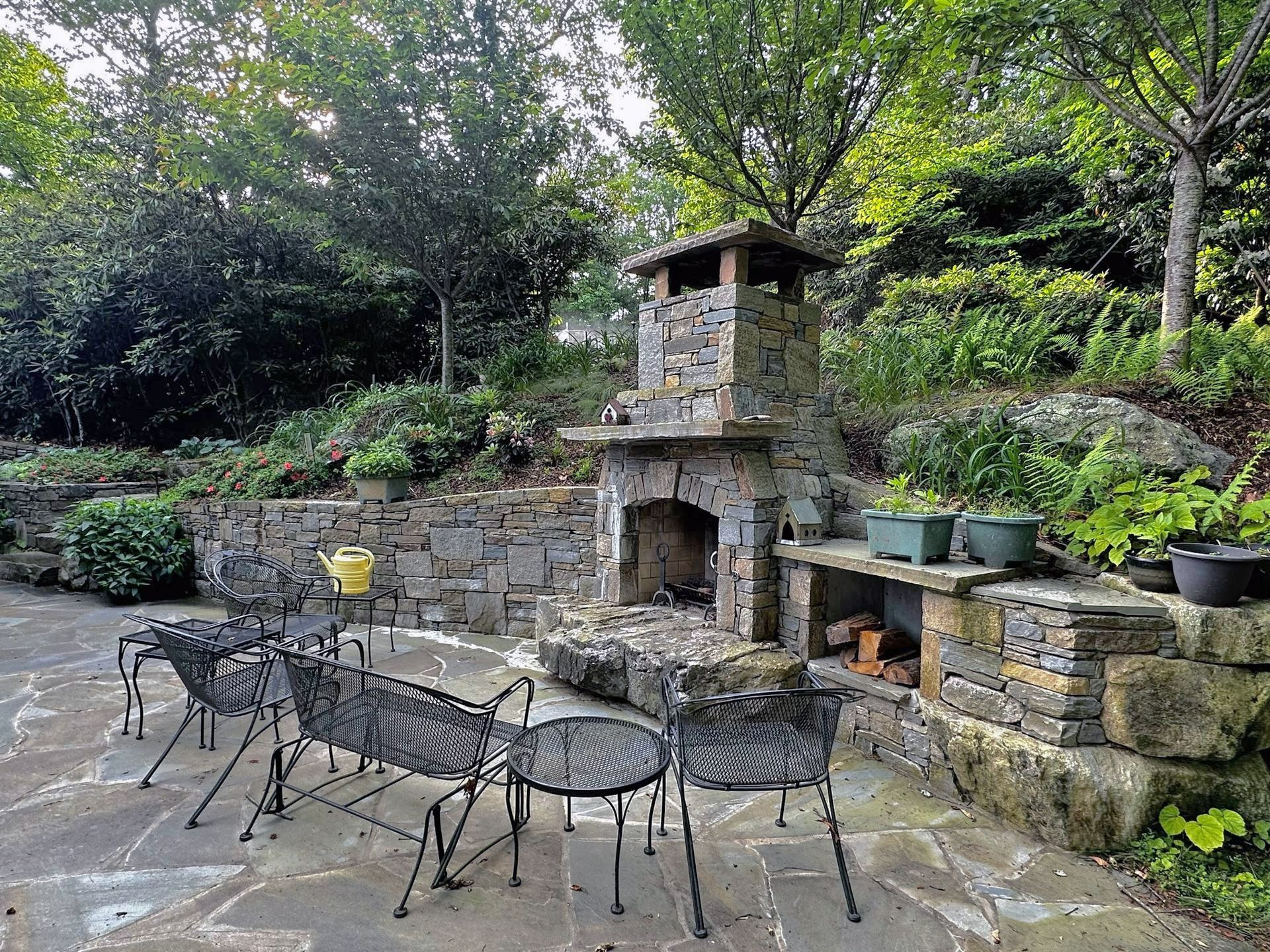
The concept of outdoor living rooms is revolutionizing the way we utilize outdoor spaces. These areas are designed to extend the comfort and style of interior living outdoors, offering a seamless transition between inside and out. With weather-resistant furniture and cozy arrangements, these spaces encourage relaxation and social interaction. As people spend more time at home, the demand for defined outdoor living areas is increasing, enhancing both property value and quality of life. By blurring the lines between indoor comfort and outdoor charm, outdoor living rooms offer a refreshing escape in your own backyard.
Designing Dining and Cooking Areas
Al fresco dining and outdoor kitchens are becoming staples in modern landscape design. These setups allow for culinary adventures under the open sky, combining the joy of cooking with the beauty of nature. Well-designed outdoor kitchens feature grills, countertops, and storage, creating a fully functional cooking environment. Dining areas equipped with durable furniture and ambient lighting provide a perfect setting for entertaining family and friends. By embracing outdoor culinary spaces, homeowners can enjoy unique dining experiences, enhancing social gatherings and personal enjoyment.
Designing Home Offices in Nature
As remote work becomes more prevalent, the design of outdoor home offices is gaining traction. These spaces are crafted to inspire creativity and productivity, surrounded by the tranquility of nature. By integrating workspaces into gardens, individuals can escape the conventional indoor office environment, benefiting from the calming influence of natural surroundings. Thoughtfully designed outdoor offices offer privacy, connectivity, and ergonomic comfort. This trend reflects a shift towards flexible and healthier work environments, enhancing both professional performance and personal well-being.
Creating Meditation and Wellness Corners
The creation of meditation and wellness corners emphasizes the importance of mental well-being in landscape design. These serene spaces are dedicated to relaxation, mindfulness, and rejuvenation, offering a refuge from daily stressors. By incorporating elements like water features, seating, and shade, these corners promote tranquility and reflection. As awareness of mental health grows, integrating wellness elements into outdoor spaces is becoming a design priority. These corners provide a sanctuary for contemplation and peace, reaffirming the therapeutic power of nature in enhancing personal well-being.
Achieving Seamless Indoor-Outdoor Integration
Installing Sliding Glass Walls
Sliding glass walls are transforming the boundary between indoor and outdoor living spaces. These elegant installations provide expansive views and facilitate effortless transitions between indoors and the outside environment. By opening up entire walls, they allow for a flow of natural light and air, creating a sense of openness and vitality. Homes featuring sliding glass walls exude modern sophistication while fostering a closer connection with nature. As the design trend of indoor-outdoor living gains momentum, these installations offer a practical and aesthetic solution.
Creating Continuity in Flooring
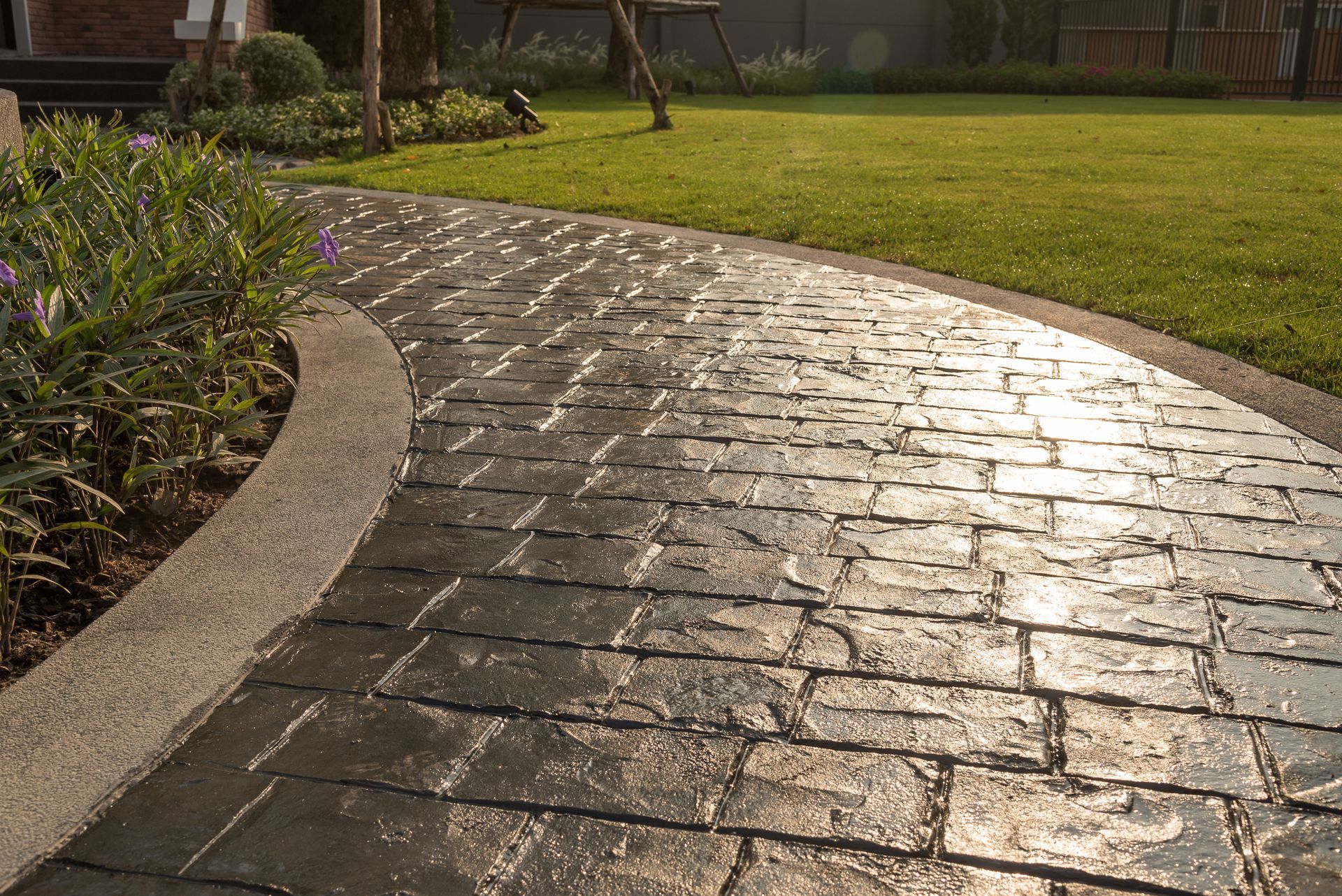
Continuity in flooring is a key element in achieving harmonious indoor-outdoor integration. Using consistent materials or complementary designs extends living spaces, creating visual unity throughout the home and outdoor areas. This practice enhances the perception of space, offering a seamless transition that blurs traditional boundaries. By marrying interior and exterior surfaces, homeowners can achieve a cohesive aesthetic that is both functional and appealing. Flooring choices, therefore, play a crucial role in the seamless blending of indoor and outdoor environments.
Maintaining Consistent Plant Themes
Choosing plant selections that create a cohesive visual flow from indoor to outdoor areas can greatly enhance landscape design. Consistent plant themes bridge the gap between inside and out, providing continuity and aesthetic harmony. By repeating certain flora or maintaining a similar color palette, designers can create a unified appearance that complements both environments. This strategy emphasizes the natural beauty of plants, enhancing the ambiance and decor of living spaces. The thoughtful integration of plant themes showcases the intricate relationship between interior and exterior design.
Integrating HVAC Systems
The integration of HVAC systems into outdoor spaces is a technological advancement gaining traction. By extending climate control solutions outside, homeowners can maintain comfort in both hot and cold weather, optimizing the use of outdoor spaces year-round. Modern systems offer efficient heating, cooling, and ventilation, blending seamlessly with the natural environment. This adaptation highlights the merging of technological convenience with outdoor living. It represents a sophisticated approach to enhancing lifestyle comfort, regardless of weather conditions.
Matching Outdoor Lighting to Indoor Aesthetics
Outdoor lighting plays a vital role in maintaining aesthetics between indoor and outdoor environments. Carefully curated lighting solutions complement indoor designs while enhancing the outdoor atmosphere. By matching styles and themes, these lighting fixtures create a unified visual experience, extending interior ambiance outside. Effective outdoor lighting enhances safety, functionality, and ambiance, ensuring that gardens remain inviting even after dark. This integration is a testament to the growing emphasis on cohesive and stylish design elements across all spaces.
With the rapid evolution of landscape design trends, 2026 is set to be an exciting year for transforming outdoor spaces. These trends not only promise to enhance aesthetic appeal but also offer sustainable and practical solutions for enjoying and utilizing open areas to their fullest potential. By adopting these innovative trends, you can create a harmonious, functional, and environmentally conscious outdoor space that caters to all your needs and desires. If you’re ready to bring these ideas to life, contact Southwinds Landscape Company today to discuss your vision and take the first step toward creating an outdoor space designed for lasting beauty and enjoyment.
Share On: