
Reasons to Hire a Professional Landscape Designer
Hiring a landscape designer can be a transformative decision for homeowners looking to enhance their outdoor spaces. The value they bring extends beyond aesthetic appeal; it includes practical, environmental, and financial benefits. With their expertise, landscape designers can turn your ordinary yard into an extraordinary garden, adding not just beauty, but functionality and increased property value.
In this article, we will explore the art of merging design aesthetics with practical use, the cost efficiencies gained, and the value added to your property through expert landscaping. According to This Old House, standard lawn care and landscape maintenance offer the highest return on investment among outdoor remodeling projects when selling a home. This illustrates how investing in professional landscaping can greatly increase your home's marketability and financial return.
Understanding Your Vision and Needs
Landscape designers begin by understanding your unique style and preferences, crucial steps in creating an outdoor space you'll love. They delve into your likes and dislikes, assessment of colors, textures, and shapes you are drawn to. This process ensures the design reflects your personal taste and compliments the architecture of your home. Personal touches and specific desires, such as spaces for entertaining or child-friendly zones, are also considered. Ultimately, incorporating your personality and lifestyle into the design results in a more enjoyable and personalized outdoor environment.
A comprehensive examination of functional needs is critical in landscape design. Designers consider how you intend to use your outdoor space, whether for relaxation, entertainment, gardening, or play. They identify essential elements like seating areas, pathways, and privacy screens that support your intended use. Additionally, they consider the flow of movement throughout the space, ensuring convenience and accessibility. With a focus on functionality, a landscape designer can create an outdoor area that is not only beautiful but also serves its intended purpose effectively.
Determining practical goals is an integral part of the design process. Designers work with you to identify achievable objectives, ranging from enhancing curb appeal to improving outdoor living spaces. They apply their expertise to create a strategic plan that meets your aesthetic desires within your budgetary and space constraints. By setting clear priorities, designers can offer realistic solutions that align with your needs and resources. This strategic planning approach ensures that the resulting design is both practical and appealing.
Expert Knowledge and Experience
Landscape designers bring a wealth of knowledge in design principles and aesthetics, ensuring your outdoor space is both beautiful and functional. Their expertise in spatial arrangement, symmetry, and balance creates harmonious and visually appealing environments. Designers adeptly blend colors, textures, and shapes to create striking focal points and seamless transitions. Their understanding of scale and proportion enhances the overall design, making the space feel unified and complete. Through their skilled application of design principles, they elevate your landscape into an artful extension of your home.
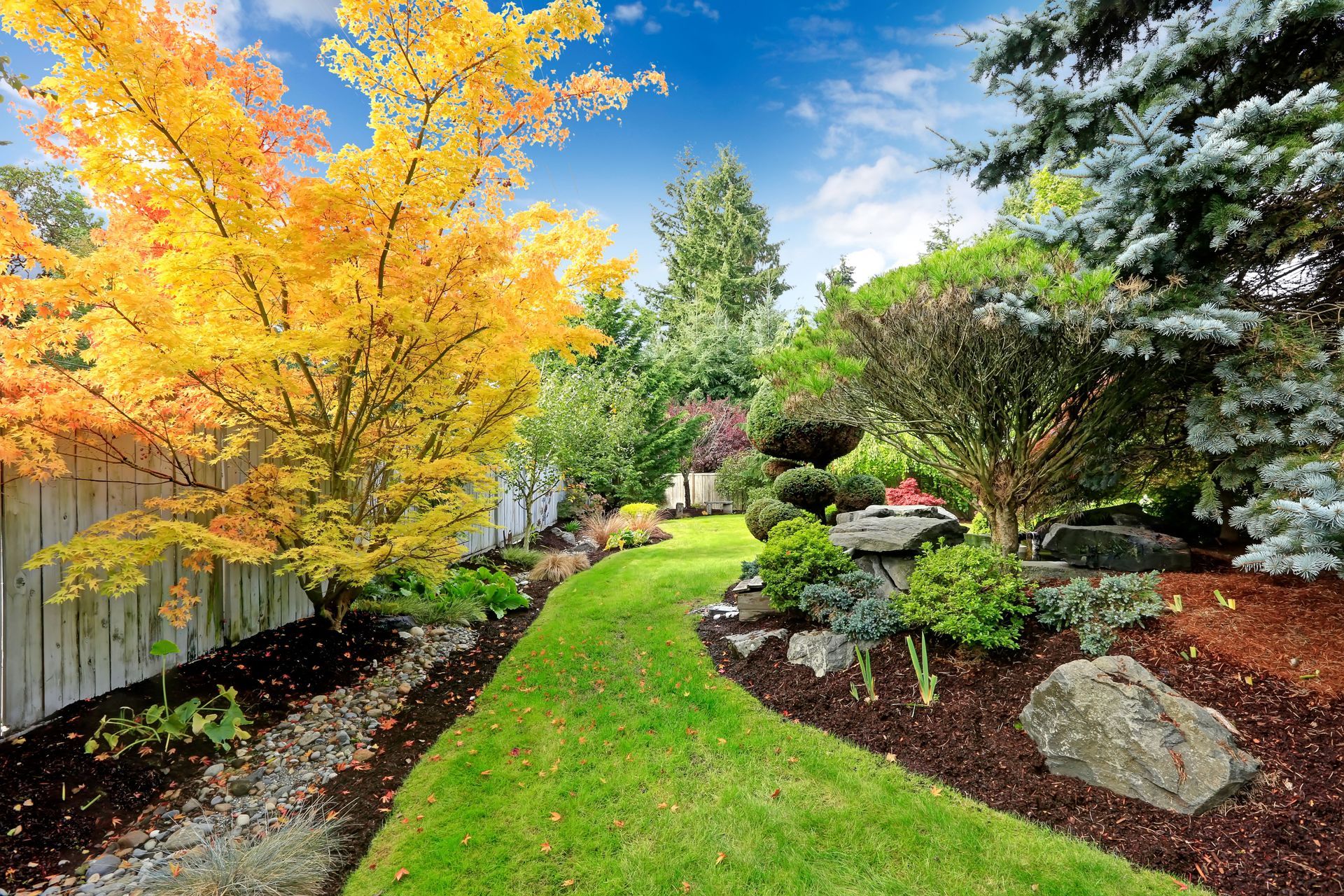
A designer's deep understanding of plant science and horticulture is essential in selecting optimal vegetation for your landscape. They consider factors such as climate compatibility, maintenance requirements, and desired visual impact. This knowledge enables them to choose plants that thrive in your specific environment, promoting a sustainable and low-maintenance garden. With the right selection, you'll enjoy reduced upkeep and enhanced natural beauty throughout the seasons. Their expertise ensures that your garden not only survives but flourishes, providing enduring enjoyment.
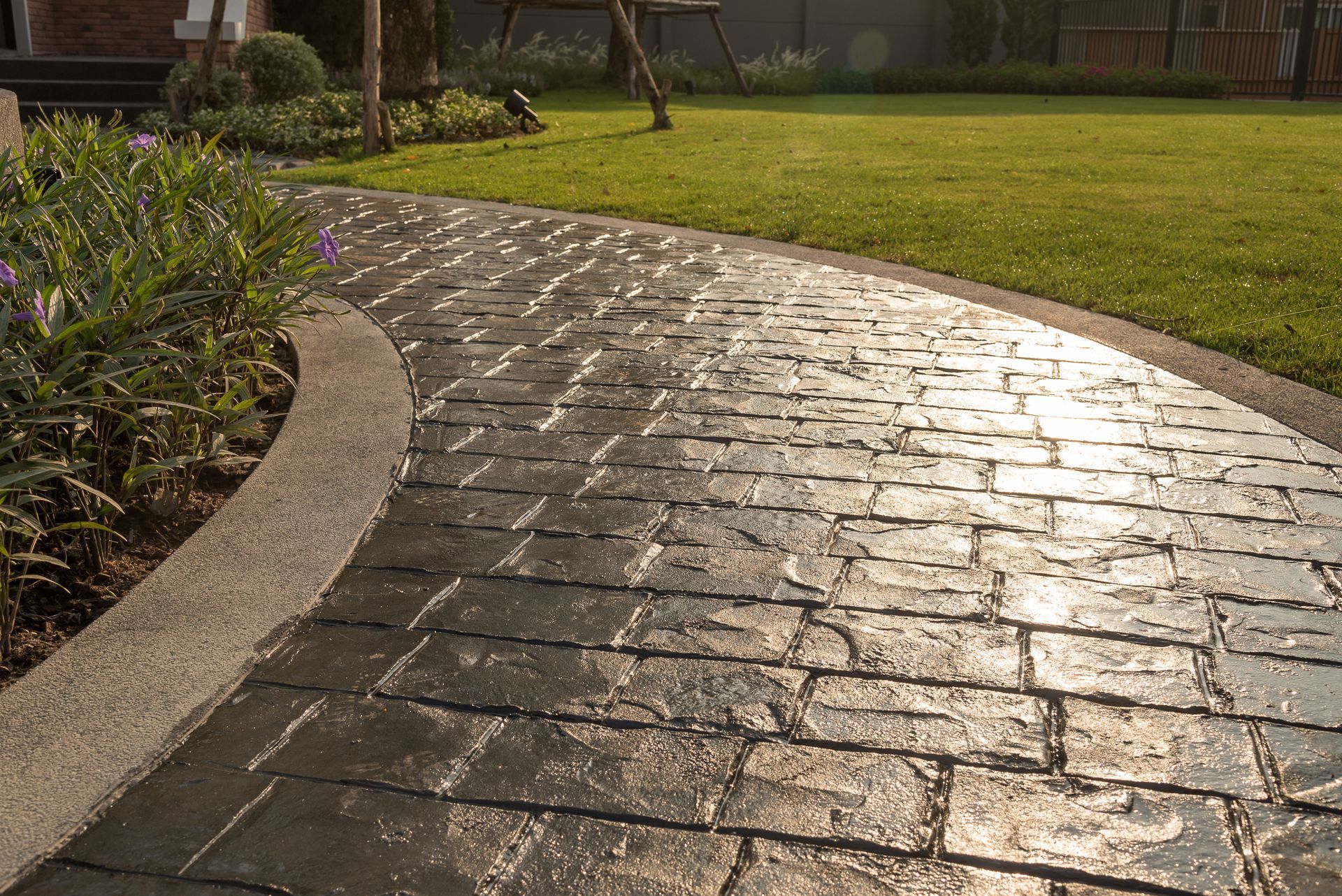
Hardscaping involves the use of non-plant elements like stone, wood, and metal to enhance outdoor spaces. Designers possess a comprehensive understanding of these materials and the techniques required for their installation and integration. From patios and pathways to retaining walls and water features, they ensure each element complements the overall design while fulfilling structural and functional needs. Their expertise ensures that the hardscaping elements are not only aesthetically pleasing but durable and resilient. By choosing the right materials and methods, designers create outdoor spaces that withstand the test of time and natural elements.
Creating a Cohesive Outdoor Space
Modern homes often embrace seamless integration of indoor and outdoor spaces, a skill landscape designers excel in. They consider factors such as architectural styles, interior themes, and patio layouts to create a harmonious flow. Elements like covered seating areas, outdoor kitchens, and transitional zones enhance usability while maintaining visual cohesion. By harmonizing indoor and outdoor elements, designers achieve an extended living environment that feels expansive and unified. This approach not only boosts the functional use of the space but also enhances its aesthetic appeal.
Establishing focal points is a crucial aspect of compelling landscape design. Designers strategically place elements like sculptures, fountains, or statement plants to draw the eye and create interest. Focal points can establish a theme or narrative within the garden, guiding visitors through a thoughtfully curated experience. By incorporating balance and contrast, designers ensure that focal points enhance rather than overwhelm the space. This technique imbues the landscape with personality and charm, capturing the attention of everyone who enters your garden.
Achieving balance in scale and proportion is essential for a harmonious and appealing landscape. Designers evaluate the size and balance of various elements, ensuring they complement rather than clash with each other. This involves careful planning of plant heights, tree canopy spread, and the dimensions of hardscape features. By maintaining proportionality, designers achieve visual unity that feels organic and cohesive. This balance not only enhances aesthetics but also ensures functional efficiency and comfort within the space.
Maximizing Property Value
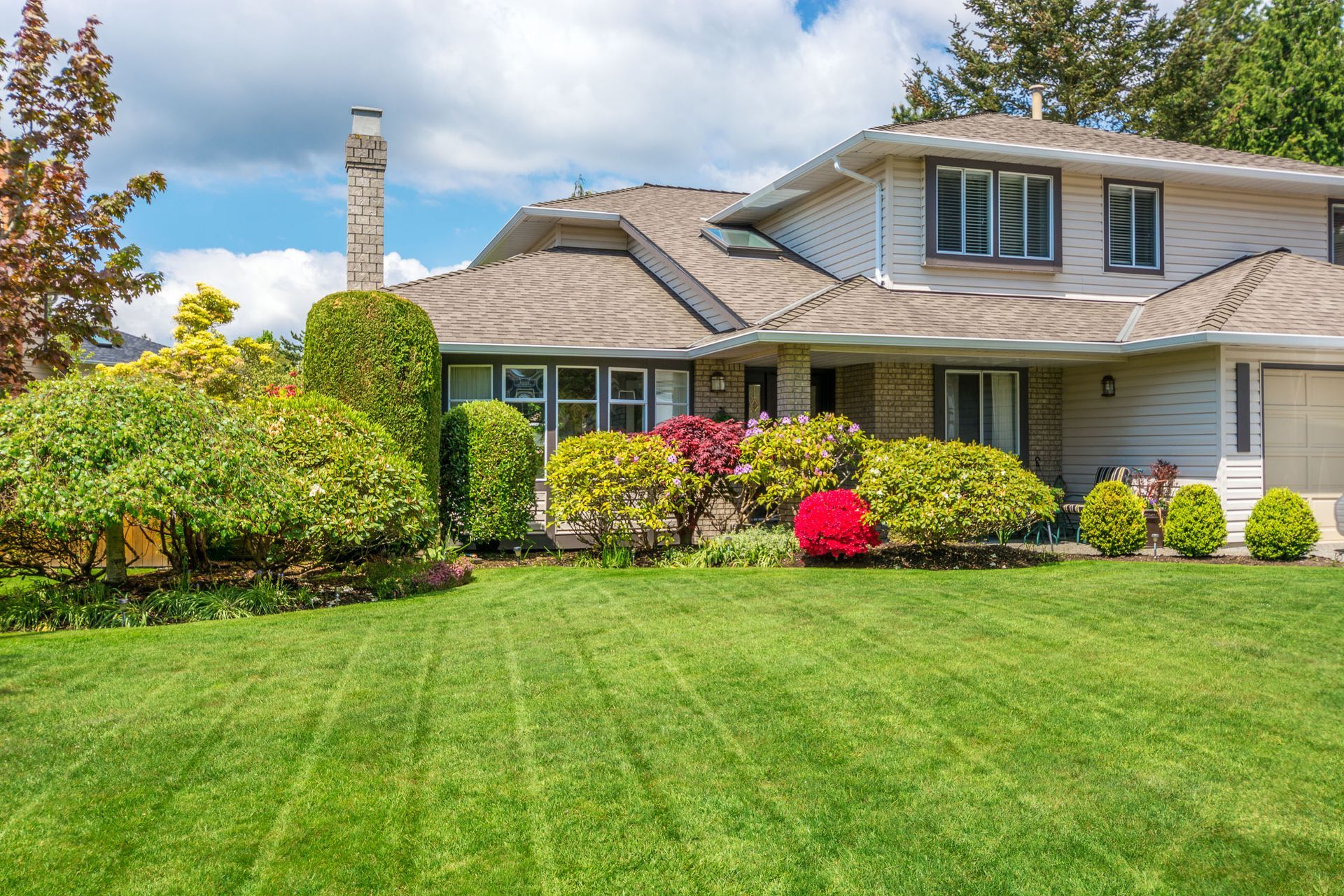
Enhancing curb appeal is a primary consideration for increasing property value through landscaping. Designers optimize visible elements like entrance paths, driveways, and greenery to make a compelling first impression. A carefully designed entryway generates interest and reflects the quality and care of the entire property. Beyond aesthetics, thoughtful landscaping increases marketability, drawing potential buyers in with its inviting appearance. It creates an attractive facade that aligns with this goal, increasing both emotional connections and financial returns.
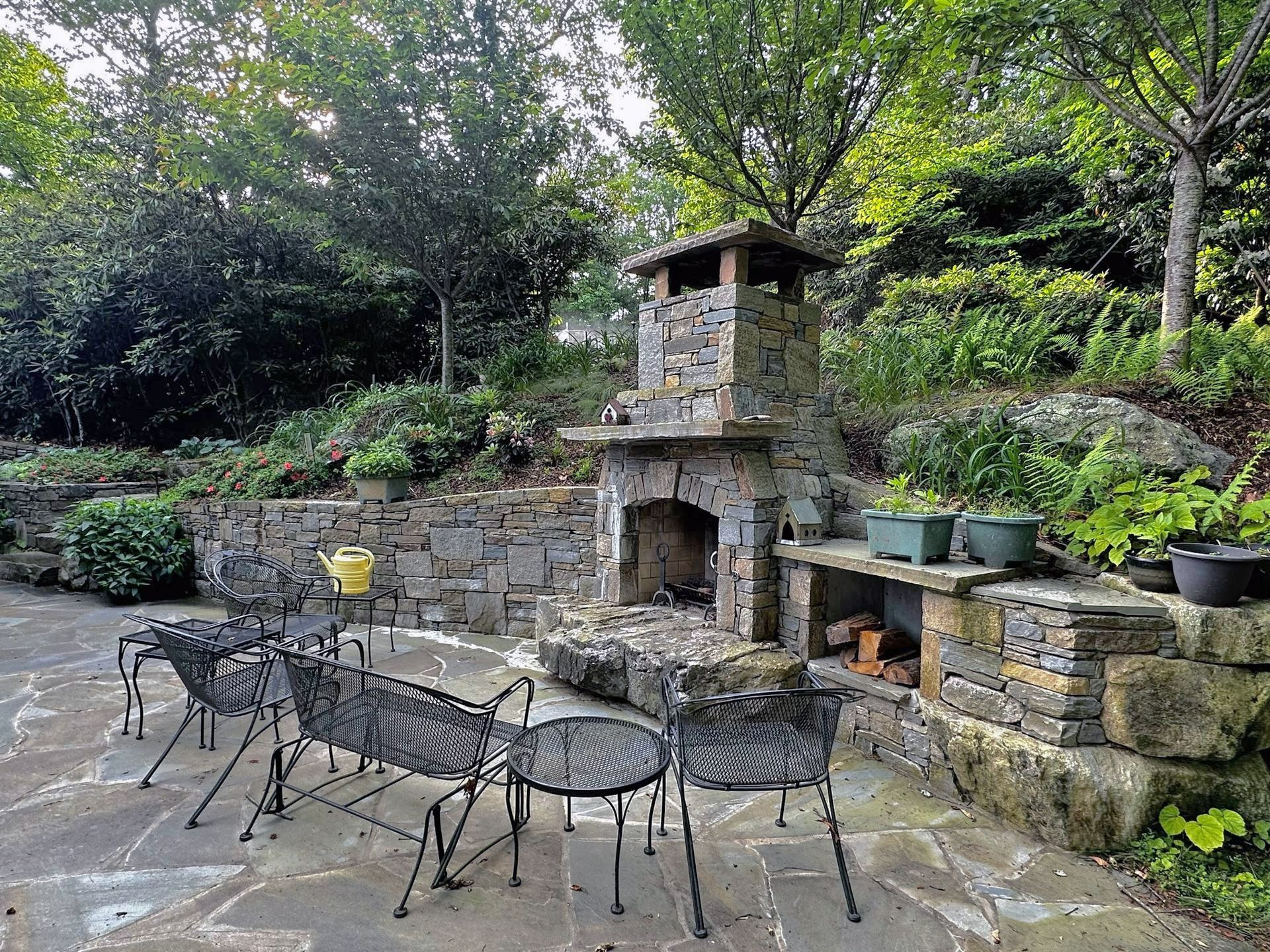
Outdoor living spaces extend the usable area of your home and serve as a major draw for buyers. A well-designed landscape can offer versatile and comfortable environments for relaxation, dining, and entertaining. Designers implement features like patios, pergolas, fire pits, and outdoor kitchens that enhance the functionality and enjoyment of these spaces. By aligning with lifestyle needs and providing attractive outdoor amenities, landscape design plays a critical role in optimizing property value. The transformed spaces resonate with buyers, making them an asset in the real estate market.
Professional designers mitigate common landscaping mistakes that can detract from property value. They ensure proper plant selection and placement, avoiding issues like overcrowding or inadequate growth conditions. Additionally, they address concerns such as drainage and soil erosion through strategic design. By preventing design and installation errors, they avoid costly corrections and preserve landscape integrity. With professional oversight, your landscape remains a vibrant and valued asset that enhances your property rather than undermining it.
Access to Professional Networks and Resources
Landscape designers have established connections with specialized contractors who assist in executing complex projects. Whether it's constructing a gazebo, installing a pool, or building a retaining wall, they collaborate with experts in each field. This ensures high-quality workmanship and adherence to local regulations and safety standards. The synergy between designers and contractors enhances project outcomes and ensures all elements are expertly handled. By leveraging these professional relationships, the designer transforms your outdoor vision into reality with precision and finesse.
Supplier relationships are crucial for obtaining quality materials at preferential prices. Designers work with reputable suppliers, accessing a vast array of hardscape and softscape materials. Through these relationships, they secure exclusive or discounted rates, passing savings on to you. Additionally, their familiarity with suppliers' product offerings helps source distinctive and durable materials suited to your project. This access and expertise contribute to an efficient, cost-effective, and successful landscape installation process.
Technology plays a pivotal role in modern landscape design, enhancing precision and creativity. Designers utilize tools like 3D modeling and landscape design software to visualize and refine concepts. These technologies facilitate informed decision-making, allowing for adjustments before physical implementation. By embracing innovation, designers deliver highly customized and well-planned outcomes, ensuring satisfaction and clarity. The use of cutting-edge technology results in better communication, fewer revisions, and efficient project execution.
Landscape designers commit to continuous learning, staying updated on industry developments and trends. Engaging trustworthy landscape designers ensures both immediate beauty and long-term satisfaction, making it a wise investment for any homeowner. Contact Southwinds Landscape Company today to start making your landscaping dreams come true!
Share On: