
The Hidden Power of Handscaping: How Design Increases Property Value
Handscaping, a comprehensive approach to property design, transcends basic landscaping through thoughtful incorporation of aesthetic, functional, and ecological elements. This design philosophy amplifies property value by not only beautifying but also by enhancing usability and sustainability. In today's competitive real estate market, discerning property owners and developers recognize the potential of handscaping to turn ordinary spaces into extraordinary environments. However, the niche field of handscaping is not without its challenges, including the need for significant initial investment and the complexity of coordinating various project components. Despite these obstacles, the possibilities offered by handscaping are vast, making it a worthwhile investment in boosting property value across multiple dimensions.
Exploring the Art of Handscaping
Understanding Handscaping
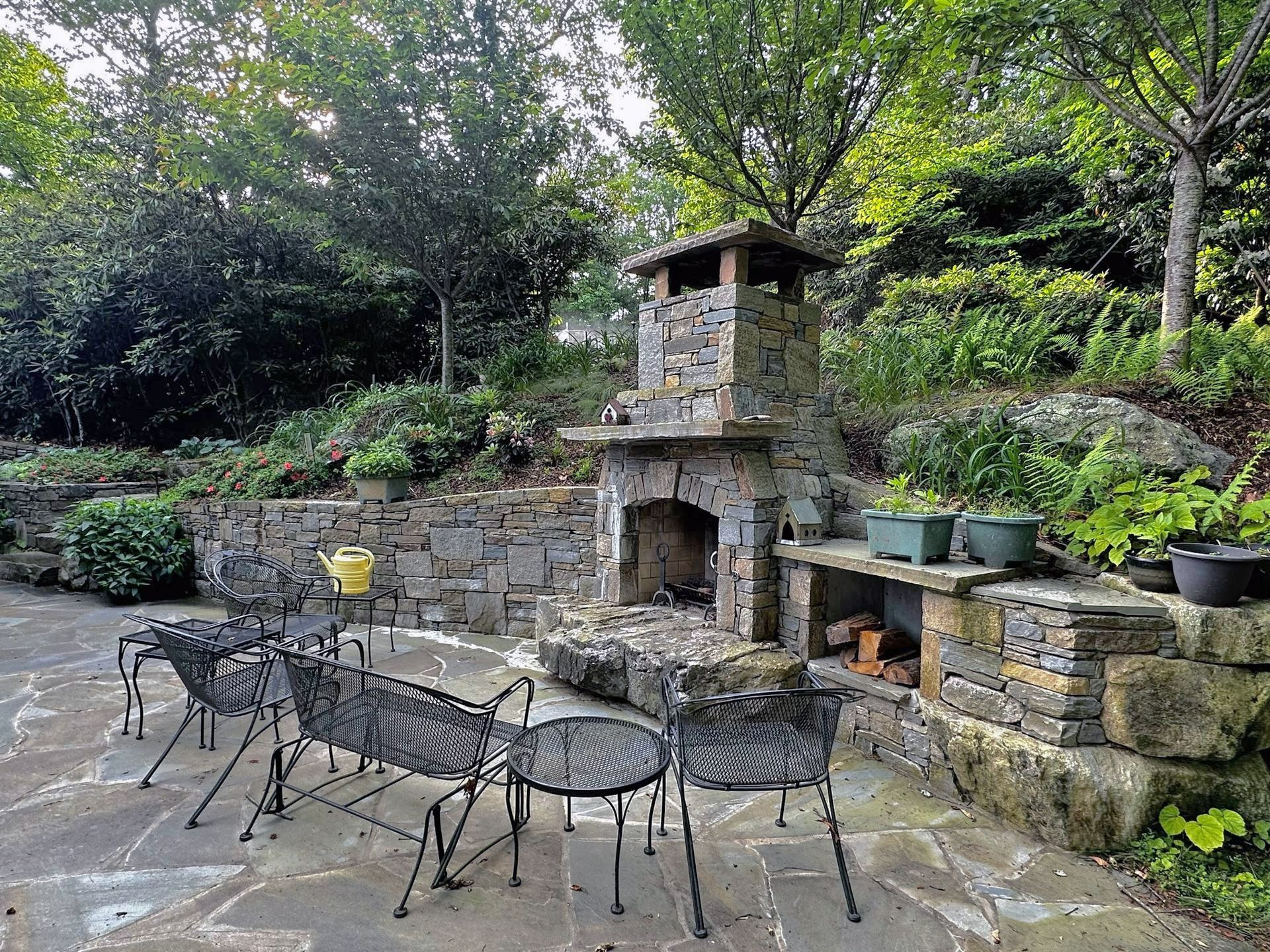
Handscaping extends beyond traditional landscaping by integrating hardscaping features such as patios, walls, and paths with green elements in a seamless design narrative. This approach combines the creativity of architecture with the organic flow of nature, creating spaces that enhance both form and function. Elements like water features, fire pits, and functional outdoor kitchens are commonplace in handscaped areas, turning the outdoors into extensions of indoor living spaces. Additionally, handscaping accounts for microclimates and local environmental conditions, ensuring that designs are both beautiful and sustainable. Overall, handscaping is an art form that marries the structural with the natural, crafted with precision to elevate property appeal and seamlessly incorporate hardscaping elements.
Comparing Landscaping and Handscaping
While both landscaping and handscaping aim to enhance outdoor spaces, their methods and scopes differ significantly. Landscaping traditionally focuses on horticultural elements: selecting, planting, and maintaining greenery to create attractive spaces. Handscaping, however, goes a step further by incorporating built elements that require design foresight and engineering considerations. The juxtaposition of natural and structured elements in handscaping results in a holistic approach that can effectively increase curb appeal and usability. By integrating both soft and hard elements, handscaping offers a more comprehensive contribution to the aesthetic and functional value of a property, including thoughtful hardscaping that defines the layout and usability of the outdoor environment.
Analyzing Key Elements of Handscaping
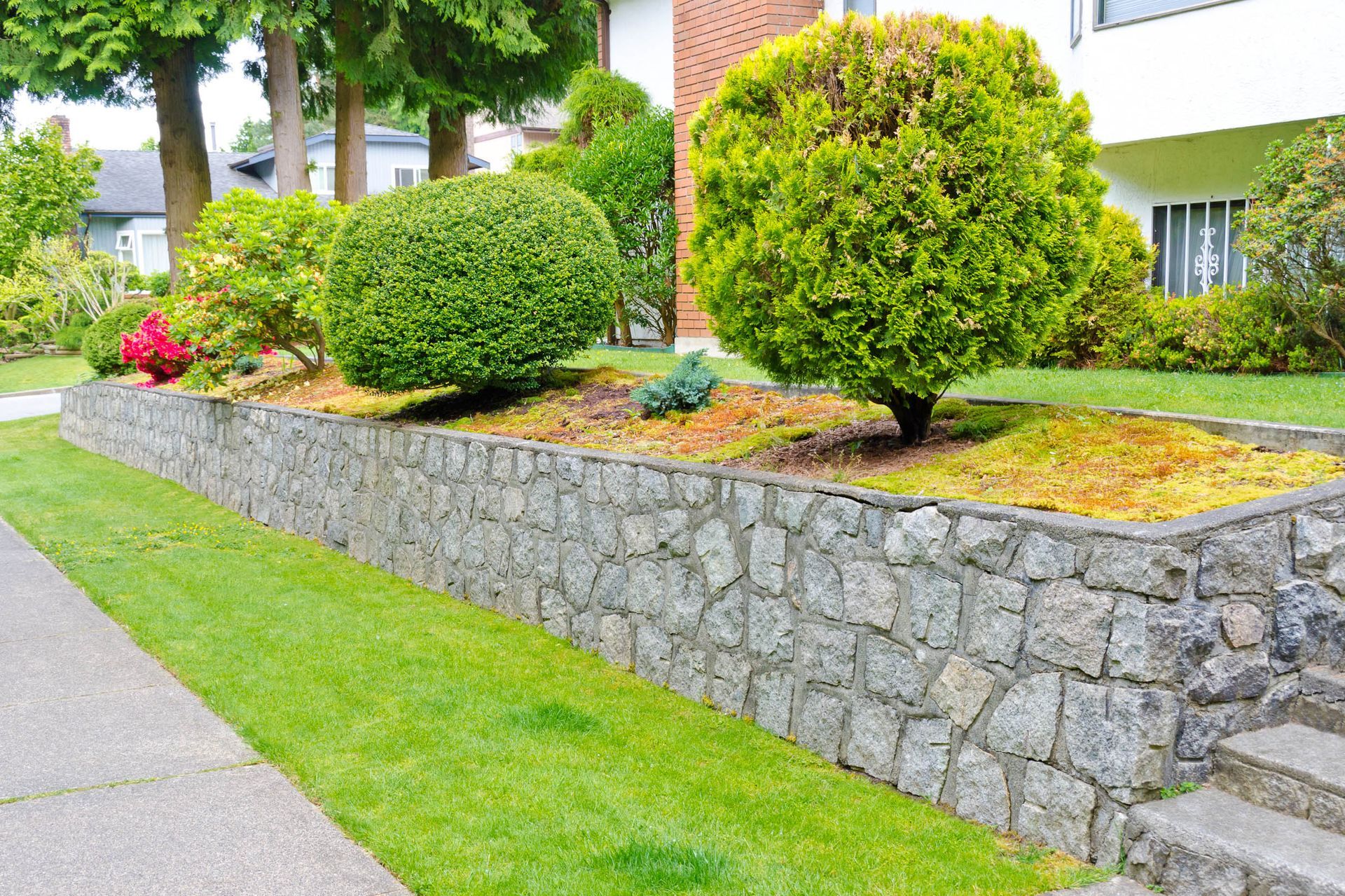
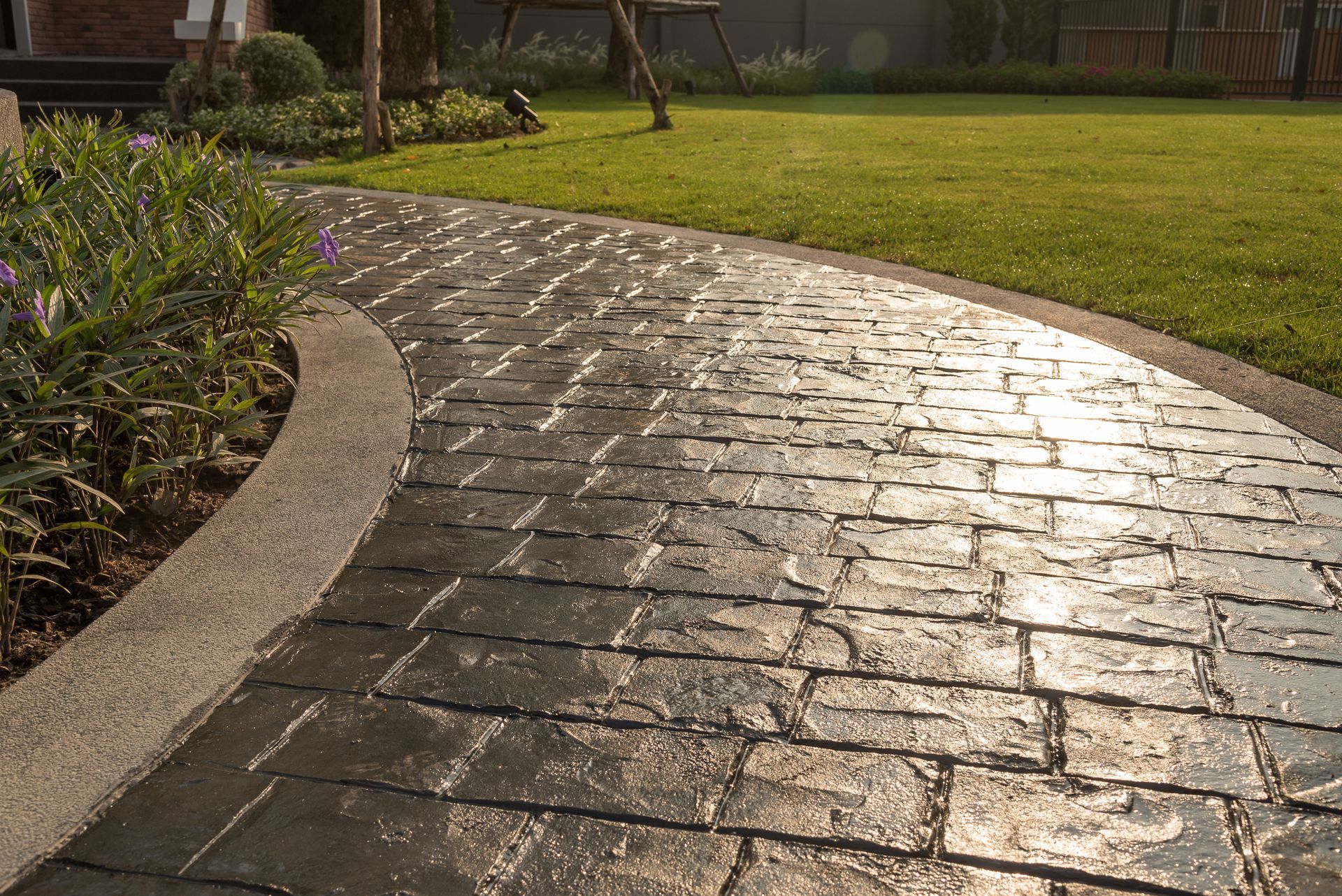
Key elements of handscaping include hardscape structures such as retaining walls, pathways, and decks, designed to complement the natural landscape. Water features, such as ponds and fountains, provide tranquility and can serve as focal points, enhancing relaxation spaces. Lighting solutions, both ambient and focused, ensure the space is usable and inviting even after sunset, improving safety and extending property use. The choice of materials—stone, wood, metal—alongside textures and colors, plays a critical role in the cohesive integration of design elements. Each choice in handscaping is deliberate, intended to maximize aesthetic beauty, practical functionality, and overall harmony with the surrounding environment, with hardscaping serving as the backbone that structures the space and enhances long-term usability.
Enhancing Economic Impacts of Handscaping
Calculating ROI on Initial Investment
Investing in handscaping can yield a substantial return on investment (ROI), with data showing that properties with well-designed outdoor spaces generally command higher market values. For homeowners and developers, the initial expenses are offset by the long-term capital appreciation and the enhanced marketability of the property. Features like patios and decks not only boost the usability of outdoor areas but also increase perceived property value. The cost of handscaping can often be recovered through the increased sale price of the home, making it not just a beautification project but a strategic investment. As more buyers prioritize outdoor living spaces, the ROI on handscaping becomes increasingly attractive, reflecting its value in the real estate market and the long-term benefits of integrating hardscaping.
Assessing Long-term Value Appreciation
In addition to immediate ROI, handscaping contributes to the sustained appreciation of a property's value. Well-executed designs mature over time, with growing plants and established gardens enhancing the beauty and desirability of a property. This ongoing appreciation is further supported by the increasing popularity of outdoor living trends among prospective buyers. As markets become more competitive, unique and well-maintained handscaping can set properties apart, driving long-term economic gains. Therefore, handscaping emerges as a powerful tool in enhancing not only the present but the future financial value of real estate assets, particularly when hardscaping elements are thoughtfully incorporated.
Implementing Opportunities for Cost Savings
Handscaping also offers opportunities for cost savings that can improve a homeowner's budget and maximize the return on investment. By integrating sustainable materials and energy-efficient technologies, operational costs can be significantly reduced. Water-saving landscaping techniques, such as xeriscaping and rain gardens, help lower water bills while maintaining lush, productive gardens. Furthermore, the durability of handscaping materials and hardscaping structures means lower maintenance and repair costs over time, adding another layer of economic benefit. As ecoconscious consumer behavior rises, aligning handscaping with sustainability trends can result in notable financial savings, reinforcing the economic value of these investments.
Improving Aesthetic Enhancements and Property Perception
Boosting Curb Appeal
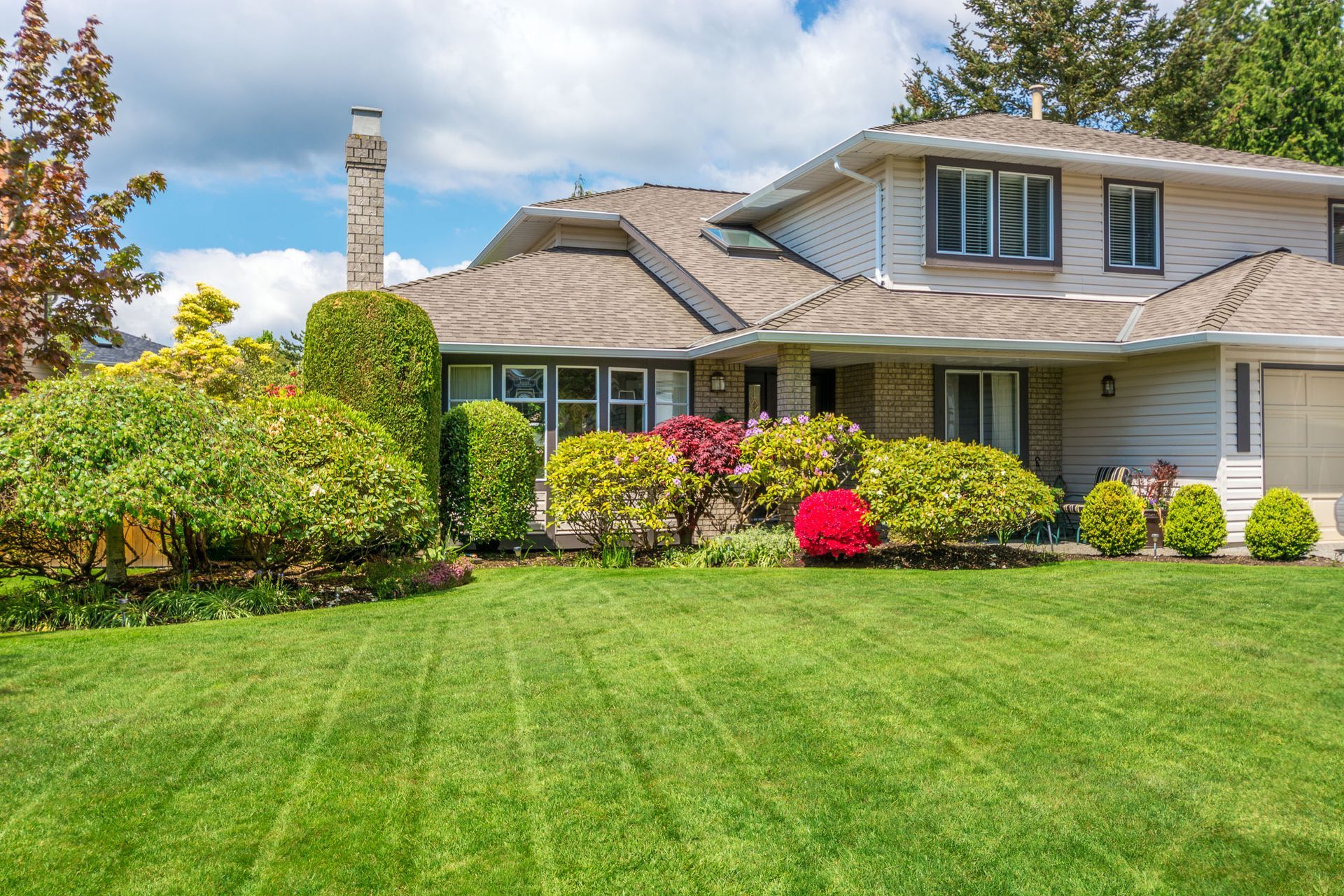
Curb appeal is a crucial component of a property's overall perception, significantly affecting its desirability and value. Handscaping enhances curb appeal through meticulous design details that elevate the first impression, shaping potential buyers' and visitors' attitudes. Engaging entryways, lush plantings, and strategic lighting design increase attractiveness, showcasing the property’s potential and setting the tone for what lies beyond. According to Gitnux, around 82% of consumers prefer ecofriendly landscaping, and over 55% of U.S. homeowners invest in landscape improvements each year, recognizing their crucial role in augmenting curb appeal. As such, handscaping forms an indispensable part of any comprehensive strategy to optimize a property’s aesthetic appeal and real estate potential, with hardscaping elements anchoring the visual and functional layout of the space and providing lasting structure.
Integrating Sustainability and Environmental Benefits
Reducing Environmental Footprint
Handscaping can be a pivotal strategy for reducing a property's environmental footprint through thoughtful design and resource management. Sustainable handscaping techniques prioritize native plant species, minimize the need for chemical fertilizers, and enhance natural water irrigation methods. By carefully planning land use and selecting plantings that adapt to the region's specific climate, properties can reduce dependency on external resources and improve ecological balance. Incorporating long-lasting hardscaping materials further supports sustainability by reducing the need for frequent replacements. The result is an eco-friendly environment that respects natural ecosystems, minimizes waste, and fosters long-term environmental health.
Promoting Biodiversity and Green Spaces
Promoting biodiversity is a core advantage of handscaping, with carefully curated green spaces encouraging the proliferation of diverse plant and animal species. These handscaped areas often incorporate native flora that supports local wildlife habitats while enhancing the visual landscape. The creation of these micro-environments not only beautifies a space but also plays a crucial role in maintaining ecological balance. Providing habitats for birds, insects, and pollinators ensures biodiversity, offering ecological benefits that extend beyond property lines. Incorporating hardscaping thoughtfully allows these green spaces to coexist with functional outdoor areas without disrupting ecosystems, reinforcing both form and environmental stewardship.
Handscaping offers a multifaceted approach to enhancing property value, combining aesthetic beauty, functional design, and environmental responsibility. Ready to transform your outdoor spaces with expert handscaping that maximizes value, beauty, and sustainability? Contact Southwinds Landscape Company today to schedule a consultation. Our experienced team will work with you to design and implement a handscaping plan tailored to your vision, ensuring every element—including hardscaping—enhances your property’s appeal and functionality. From creative layouts to sustainable materials, we guide you through every step of the process, delivering a cohesive, visually stunning, and practical outdoor environment that will be enjoyed for years to come.
Share On: